Is last minute booking in La Manga realistic
Is last minute booking in La Manga realistic
Sometimes yes, sometimes no. Last-minute booking in La Manga can be realistic, but it depends heavily on the time of year. This strip of coast does not work the same way in February as it does in August, and that seasonal swing changes what is available, how much choice you have, and how stressful the search feels. Living here, that is one of the first things you notice.
This guide looks at when booking late can work reasonably well, and when it usually does not. It is not a promise that you will find something suitable at the last moment, especially if you have fixed dates or specific requirements, but it should help you judge whether a flexible approach makes sense for your trip.
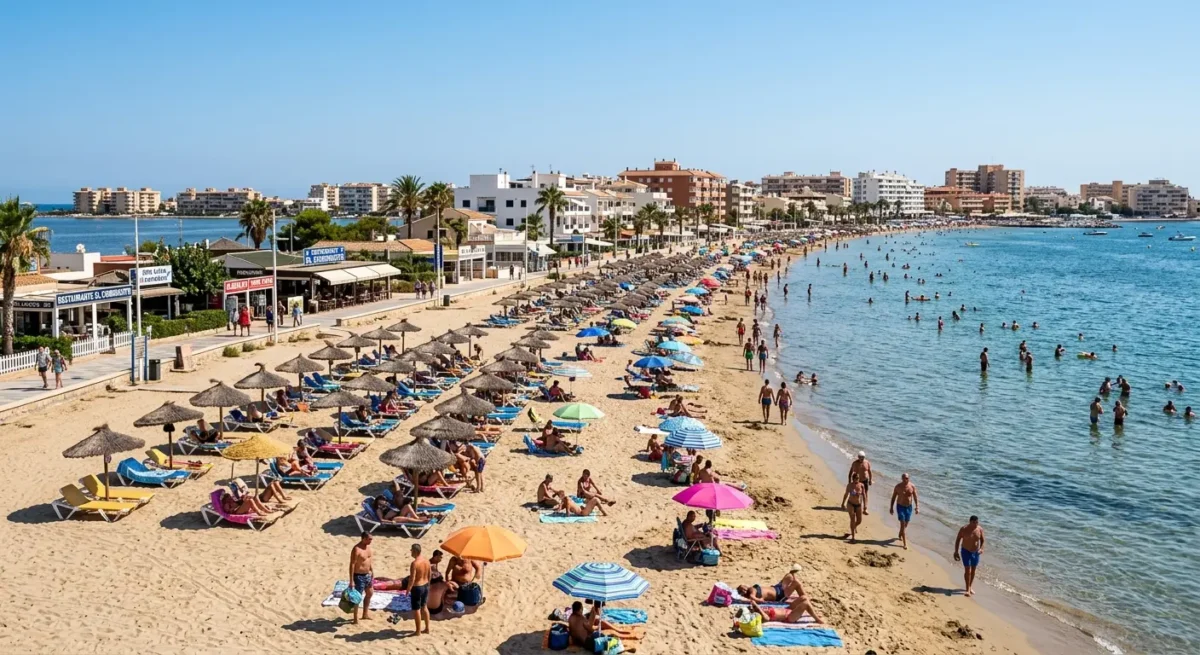
The short answer: it depends on the time of year
Last-minute booking in La Manga follows the local season very closely, so what works in quieter months can fail in peak summer.
Last-minute booking can work in La Manga. It is a realistic option at some times of year, especially if you are flexible about dates, exact location, and the type of place you stay in.
It often becomes much harder in peak summer, above all in August. That is when La Manga is at its busiest, and late bookers are more likely to find that the better located flats, larger family places, and anything with specific features have already gone.
August and the off season do not feel like the same place
That is the main thing to understand from the start. In the off season, La Manga is much quieter and the search can be more manageable. In August, the whole strip fills up, traffic increases, and the practical side of finding somewhere suitable at short notice becomes more limited.
So the honest answer is not simply yes or no. Last-minute booking in La Manga is possible, but the season matters more here than many visitors expect.
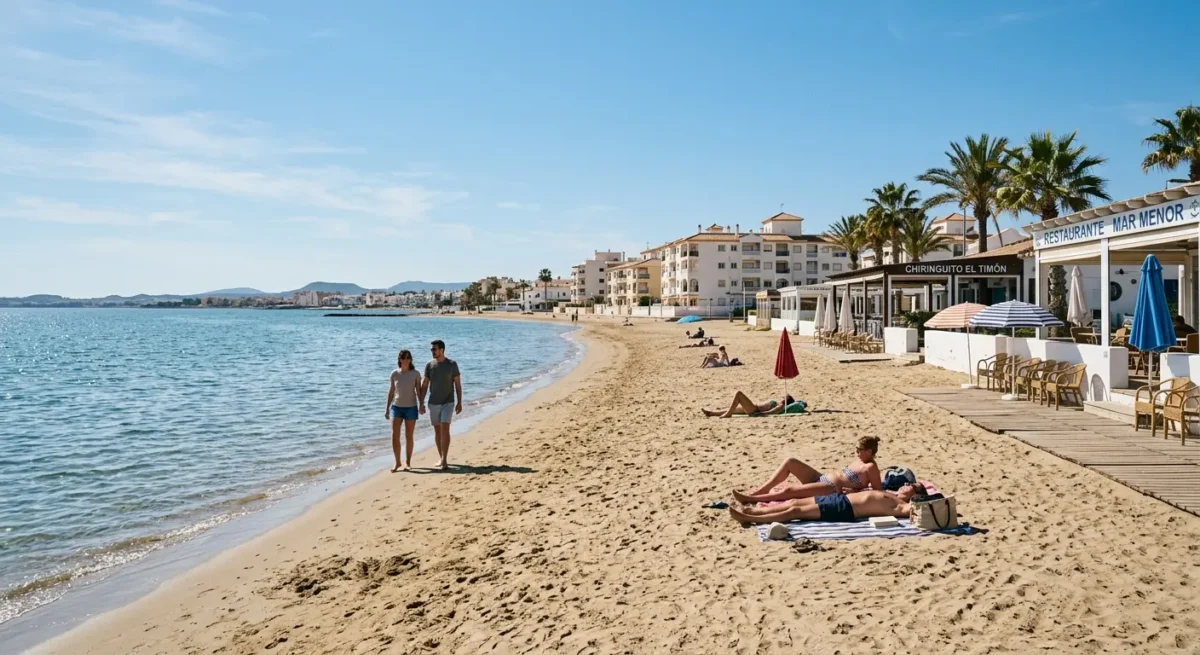
When last-minute booking can work well
Booking late is most realistic if you can adapt your dates, area, and type of place rather than aiming for one exact option.
The clearest example is the off season. Outside the busiest summer weeks, especially away from August, La Manga usually gives you more room to work with. There may still be fewer properties open than in high season, but the pressure is lower, and last-minute searches are often more manageable.
Flexibility matters more than luck
Late booking tends to work best for travellers who are flexible. If you can shift your trip by a few days, stay a bit further up or down the strip, or choose a different kind of accommodation than you first had in mind, you are in a much stronger position. That wider choice is more likely outside the busiest weeks, when fewer people are competing for the same places.
This does not mean guaranteed bargains, and it does not mean every area feels equally lively all year. In quieter months, the weather can be cooler or less settled, and local activity levels are different. Some restaurants, shops, and services reduce hours or close for periods, which can matter if you want a busier holiday rather than just somewhere to stay.
So if your main aim is simply to find a workable base in La Manga, and you are not fixed on exact dates, sea view, parking, pool, or a very specific location, booking late can be perfectly realistic. It works best when the trip itself is flexible, not when every detail is already decided.
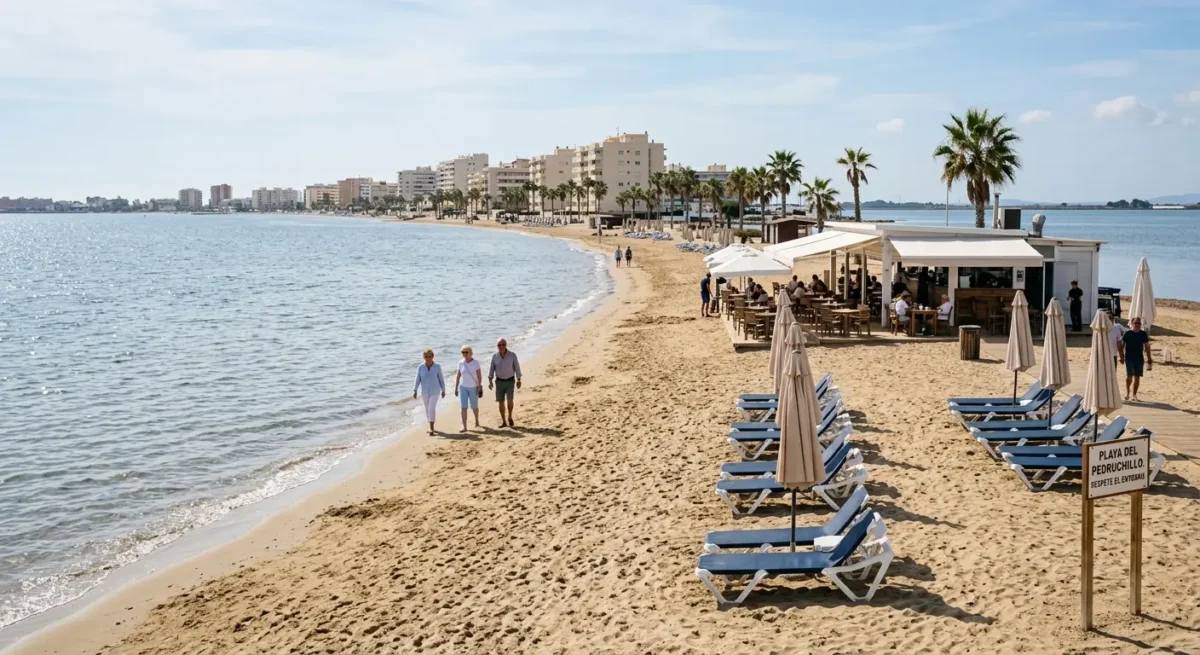
Why off season is different in La Manga
Outside the busiest holiday periods, daily life slows down and last-minute booking is often easier for that reason.
For most of the year, La Manga does not feel as pressured as it does in peak summer. There are fewer visitors looking for the same flats and hotels at the same time, so late booking can be more feasible. If you are searching outside the main holiday rush, you are usually dealing with less competition and less urgency.
Quieter does not mean the same experience
That quieter pace changes the feel of the place. Some parts of La Manga can seem quite calm outside summer, especially away from the more active stretches. A number of bars, restaurants, shops, and other seasonal businesses may reduce their opening hours or close for a period, so the choice on the ground can be more limited even if finding accommodation is easier.
For some travellers, that is absolutely fine. If you mainly want a base by the sea, easier parking, and a less crowded stay, the off season can suit you well. If you want lots of open places, a busy evening atmosphere, and everything working at full summer pace, it can feel flat.
That is why late booking tends to work better then. The lower demand helps, but the trade-off is that La Manga can feel much quieter and less convenient in day-to-day terms. Whether that is a benefit or a disappointment depends on what kind of trip you actually want.
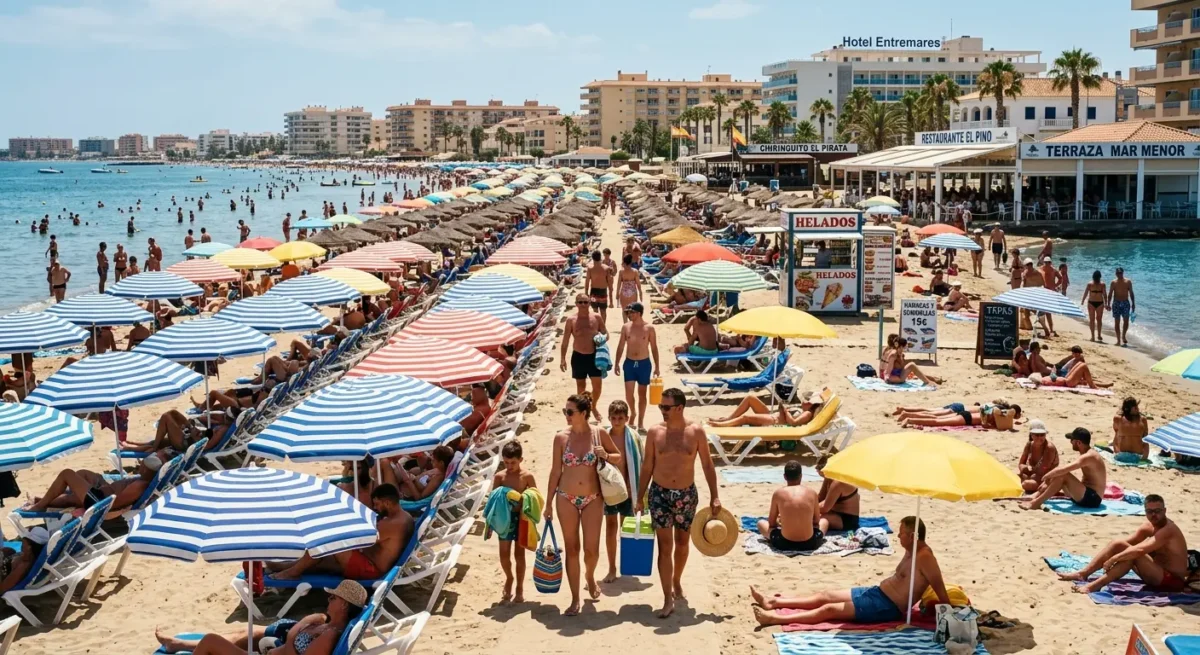
When last-minute booking often fails
Late booking becomes much less realistic when demand is high or your needs are too specific.
August is the clearest example. That is when La Manga is under the most pressure, especially during the main school holiday period. Weekend demand can add even more strain, with people looking for short stays or quick breaks at the same time. You may still find something at short notice, but the choice is usually much narrower and the process is less straightforward.
Specific requirements reduce your chances
Last-minute booking also tends to fail when you are not just looking for any available place, but for a place with certain features. Sea views, private parking, air conditioning, enough space for a family, or a flat in one particular zone of La Manga all reduce what is realistically available. The more boxes you need to tick, the less useful a late search becomes.
This matters because short-notice options can exist on paper without being what you actually want. There may be a few places left, but perhaps they are in the wrong stretch of La Manga, too small, lacking parking, or not practical for children. In that situation, the issue is not whether anything is available. It is whether anything suitable is available.
So late booking is usually the weakest approach in August, around school holiday peaks, on busy weekends, and for travellers with fixed expectations. If your dates, location, and accommodation features all matter, leaving it late adds risk without giving you much room to adapt.
The main risks of leaving it late
The trade-off is simple: you may gain flexibility, but you also have to accept more uncertainty.
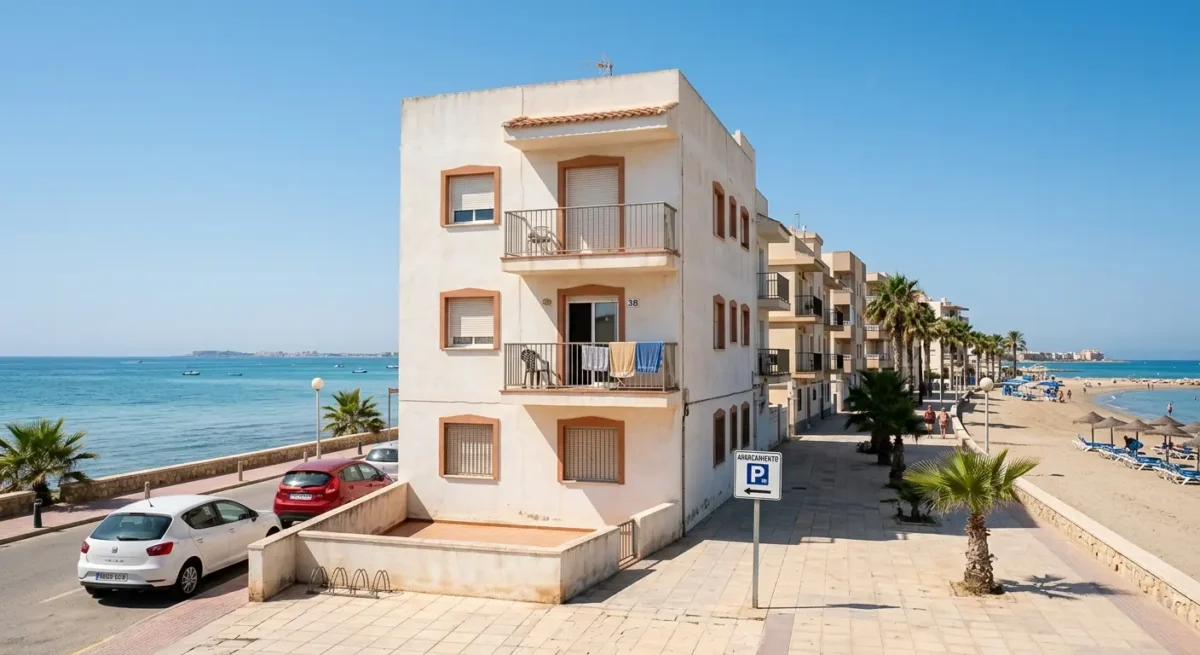
The first downside is limited choice. Even when there are still places available, they may not be the ones you would have picked with more time. In La Manga, that can mean fewer options in the stretch you prefer, fewer flats with parking or outside space, or fewer places that suit a family, a couple, or a longer stay properly.
Suitability matters as much as availability
This is where people sometimes get caught out. You may still find accommodation, but end up in a less suitable part of La Manga for the kind of trip you want. One area may feel too quiet, another may leave you more dependent on the car, and another may simply not be convenient for the beaches, shops, or daily routine you had in mind.
The other risk is higher stress. A late search often means making quicker decisions with less room to compare options calmly. That does not make last-minute booking impossible, but it can turn a simple plan into a more pressured one, especially if you are travelling with children or trying to match several people’s needs.
It also becomes awkward when your travel dates are fixed before your accommodation is. If the flights, train, or time off work are already decided, you lose part of the flexibility that makes late booking workable in the first place. At that point, you are not really choosing from the market. You are seeing what is left for those dates.

Who can book late with fewer problems
This works best for travellers who can adapt their dates, area, and expectations.
The people who usually manage last-minute booking best in La Manga are couples or solo travellers with flexible dates. If you can travel midweek instead of only at the weekend, or shift your stay by a few days, you have more room to work with. That matters much more here than simply hoping something will turn up.
It also helps if you are happy to compare different parts of La Manga rather than aiming for one exact stretch. Daily life changes a bit from one area to another, with some zones feeling quieter and others being more convenient for shops or beaches, so being open to several options makes a late search more realistic.
Fewer must-haves makes a big difference
Last-minute booking is easier when you do not have a long list of fixed requirements. If you are content with a simple flat and do not need private parking, a lift, a sea view, a specific building, or extra space, you are more likely to find something suitable. Flexibility matters more than optimism, because available does not always mean right for your trip.
This is usually less straightforward for families, larger groups, or travellers with accessibility needs. They often need more space, a more practical layout, or features that cannot be improvised at short notice. In those cases, late booking can still work sometimes, but it is not the approach I would rely on if the trip depends on specific conditions being met.
Who should book earlier instead
If your trip depends on fixed dates, specific accommodation, or peace of mind, planning ahead is usually the safer choice.
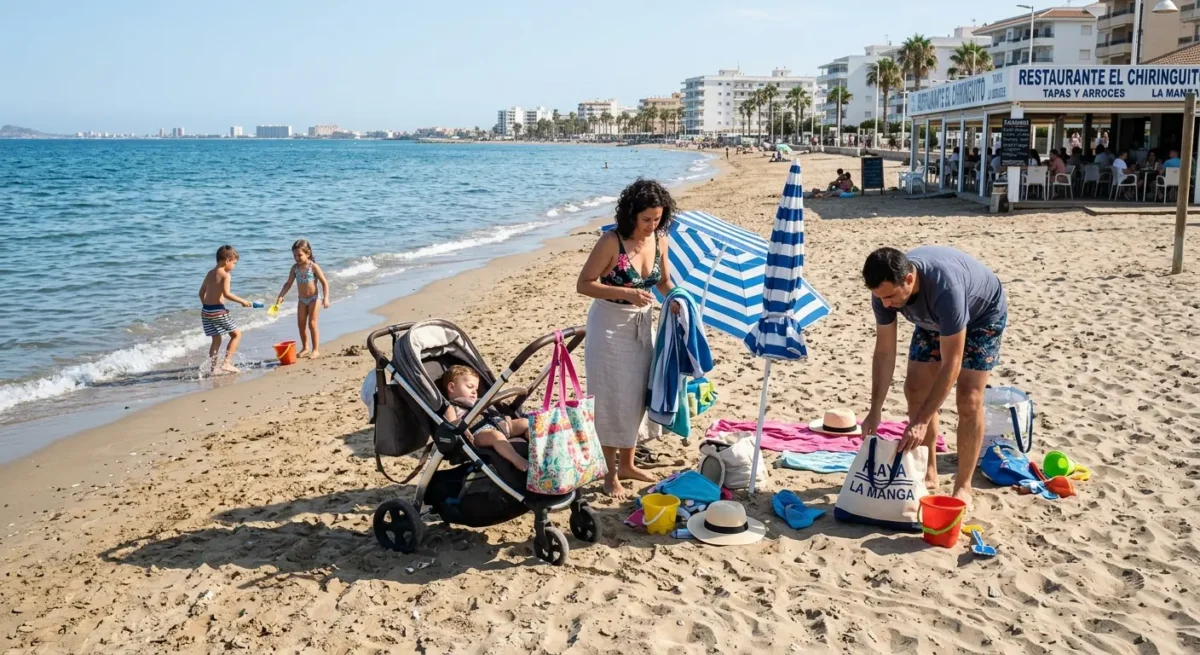
Families travelling in August are the clearest example. That is the busiest part of the summer in La Manga, and late availability can shrink quickly. Even when something is still free, it may not be in the right area, the right size, or practical for children and the daily routine that comes with a family trip.
Specific setups narrow the options fast
It also makes sense to book earlier if you need a certain apartment type or hotel setup. That could mean separate bedrooms, step-free access, parking in the building, a lift, or a hotel with services you know you will use. In La Manga, those details matter because the buildings, layouts, and locations vary a lot, and late booking leaves less room to match what you actually need.
The same goes for travellers wanting a short stay in a very specific week. If you can only come for a few days, and only on exact dates, you lose most of the flexibility that makes last-minute booking work. At that point, you are not looking for any break in La Manga. You are looking for one very precise gap.
And if uncertainty will make the trip feel tense before it even starts, book earlier. That is not being overcautious. It is just knowing how you like to travel. Last-minute booking suits flexibility, not fixed plans.
A sensible way to decide
Match the way you book to what you actually need from the trip
A simple way to judge it is to ask yourself a few direct questions. Are your dates fixed, or could you move them by a few days? Does your budget allow for taking what is available, even if it is not the cheapest option? Do you care which part of La Manga you stay in, or would several areas work? And which things are true must-haves rather than preferences, such as parking, a lift, more than one bedroom, or being close to a certain beach?
Know what you can bend on
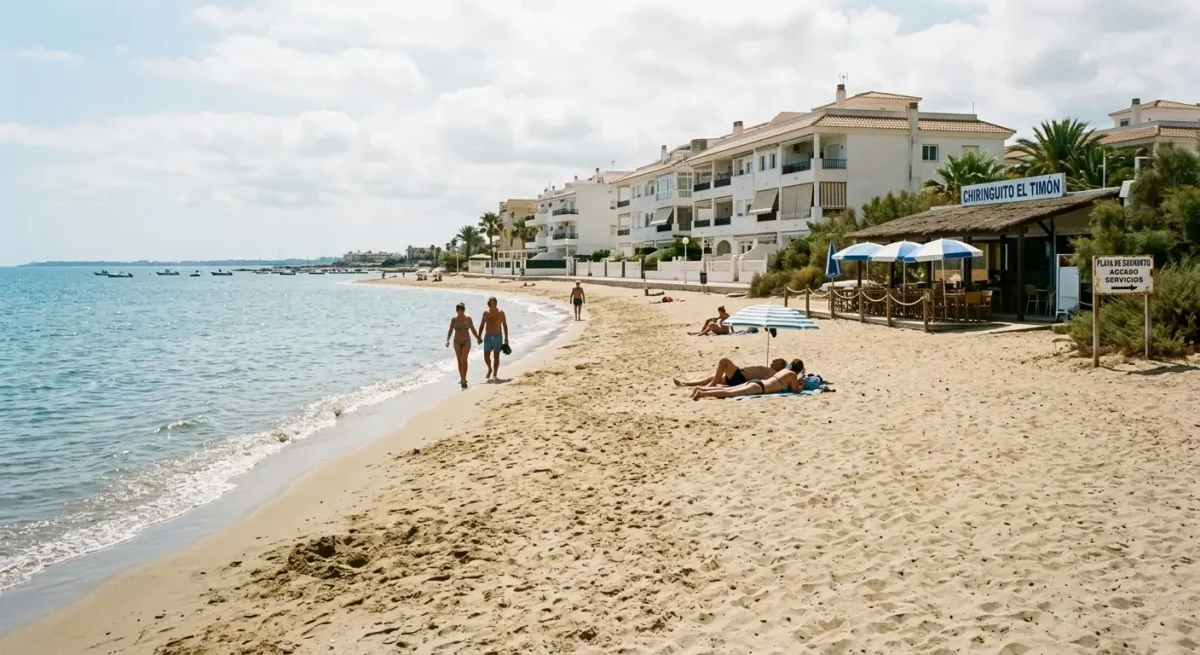
Late booking usually works better here when plans are loose. If you can travel outside August, compare different stretches of La Manga, and accept a simpler place than you first pictured, you have a fair chance of finding something workable. That kind of compromise is often reasonable. Staying a little further from your preferred area, or choosing a flat without a sea view, may change the feel of the trip without ruining it.
Recognise when it stops making sense
The more important point is knowing when a compromise means the trip no longer fits. If you need step-free access, a particular week, room for children, or a location that makes daily life easier, then taking whatever is left can create more hassle than value. The same applies if the only options push your budget too far. At that stage, last minute is not being flexible. It is accepting a trip that does not really suit your needs.
So the honest answer depends on your expectations. Last-minute booking in La Manga can be realistic when you are open on dates, location, and comfort level. It is much less realistic when the plan is fixed and the details matter. The key is to separate an acceptable compromise from a stay you would spend the whole time working around.
Questions that need to be answered
What locals are talking
Living here and dealing directly with guests, we often see the same pattern with late bookings. A common problem is that people ask very late and then realise they need to send ID details for guest registration, which is the basic check-in admin step in Spain, while they are already travelling or still unsure who is actually coming.
My honest view is that last minute booking in La Manga is realistic when the trip itself is flexible, but not when the booking has to fit a fixed plan with little room for compromise.