
When is the best time to visit La Manga
There is no single best time to visit La Manga. It depends on what you want from the trip, and what you can live without. This place changes a lot between summer and the off season, and that difference affects everything from how it feels to walk outside to how late the day runs. In the sections below I look at each season in simple terms: how the temperature tends to feel day to day, how busy and noisy it gets, what stays open or shuts, and the general daily rhythm. That way you can match the season to your own priorities, whether you are coming to switch off or you need things to be happening around you.
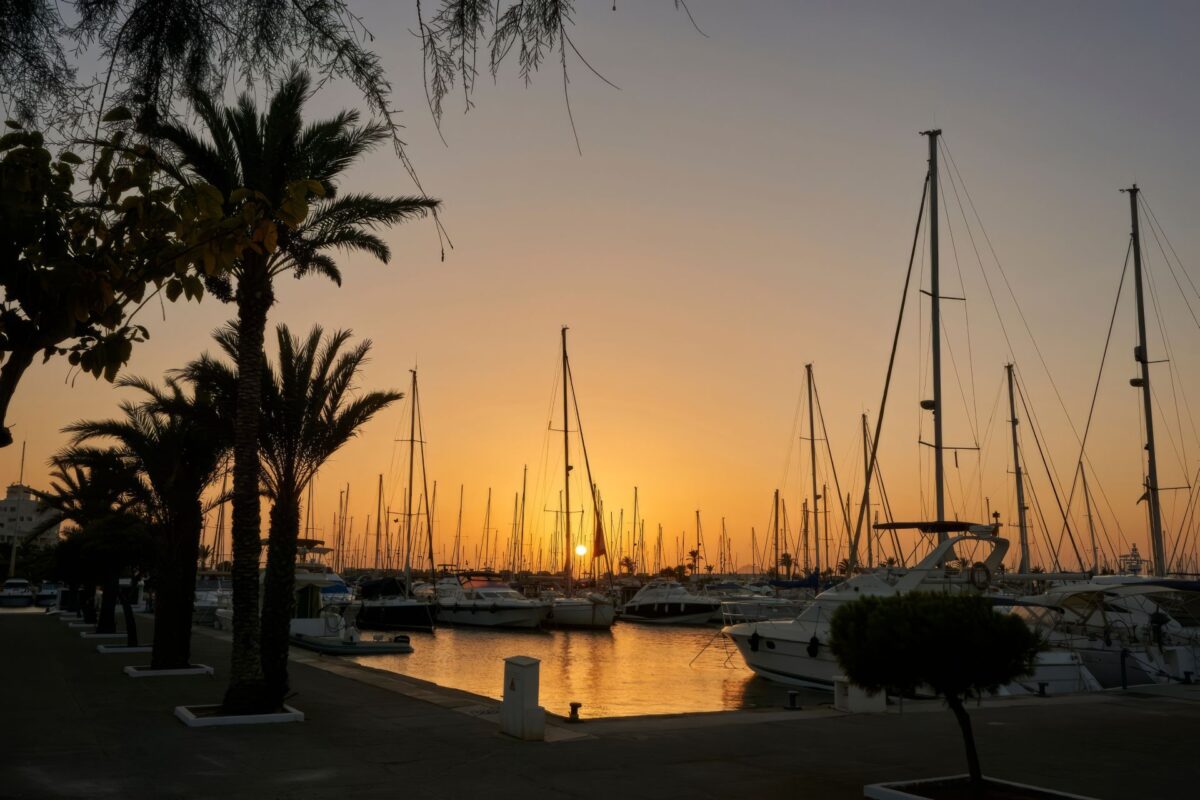
How La Manga changes through the year (what stays the same, what does not)
Before you pick a month, it helps to understand the big split between the busy season and the quieter months, because it affects what you can actually do day to day.
La Manga does not just get warmer and cooler. It also flips between two very different versions of itself. I think of it as summer La Manga and off-season La Manga. Same strip of land, same beaches, but a different pace, different noise level, and a different set of places open when you want them.
The first thing to keep in mind is that the weather varies year to year and week to week. You can arrive to a spell of calm, warm days, or you can land in a run of cloud, damp air, or wind. Planning works better if you treat the weather as a range, not a promise.
Wind matters here more than many visitors expect. A breezy day can make a mild temperature feel sharp, especially near the water. The same wind can also make a hot day feel manageable. If you run cold, or you hate being battered by gusts, you will notice it quickly on walks along the beach or between buildings.
When I say “daily rhythm”, I mean the practical stuff: what time places open, how late people stay out, and what the streets feel like at different hours. In summer, days tend to run later. More restaurants and cafés stay open into the evening, and the area feels active after dark. In the off season, nights are quieter and earlier, and some businesses reduce hours or shut for stretches.
This split matters for planning more than most people realise. If you need convenience and options without thinking, summer is easier. If you want quiet streets and do not mind that your choices narrow down, the off season can work well. Neither is better, but they suit different temperaments and different types of trip.
Winter in La Manga (roughly Dec to Feb): quiet days, early nights, more wind
This is what winter is like day to day when the strip is running on local pace, not holiday pace.
Winter in La Manga feels calm. The streets are mostly empty, especially away from the few year-round residential areas. You can hear the sea properly. At night there is very little going on, and that is the point for some people.
Temperature is the tricky part to describe because it changes fast across a single day. In the sun it can feel mild and comfortable, the kind of weather where a walk is easy. Step into shade and it drops. Add wind off the water and it can feel properly cold, even if the air temperature looks reasonable on an app.
The wind is what catches most visitors out. Some days are still and pleasant, but windier spells do happen and the strip has very little shelter. If you plan to walk a lot, pack layers and something that blocks the wind, not just a thicker jumper.
Crowds and noise are minimal. Beaches can feel almost empty. There is little nightlife, and you will not get that summer buzz. If you are coming for activity on your doorstep, winter is usually not a good match.
The daily rhythm shifts earlier. People start and finish earlier, and the whole place can feel like it powers down after dark. Fewer cafés, bars, and restaurants are open, and some close for stretches rather than keeping regular hours. Even when somewhere is open, it may not run late.
Winter suits people who want quiet time. Walking along the Mar Menor side, reading, cooking, and keeping things low-key all work well. It also suits anyone who prefers not to plan their day around reservations and queues.
The downsides are real, though. Windier days can make the seafront feel exposed. Closures mean less choice, and you may need a car, or at least a clear plan, if you want variety. For a change of scene, many people build in trips to Cartagena or Murcia, because La Manga itself can feel repetitive after a few days in winter.
My practical judgement call: if your idea of a break needs spontaneous options right outside the door, winter can feel too thin. If you are happy with quiet walks and a smaller routine, it can feel simple in a good way, as long as you come prepared for wind and limited opening hours.
Spring in La Manga (roughly Mar to May): warming up, but still mostly calm
Think of spring as La Manga switching back on, with more comfortable days outside but without the full summer intensity.
Spring is the transition season here. You start getting more days where being outside feels easy, not like you are battling wind or hiding from heat. It is also when you notice the strip slowly getting its rhythm back.
Temperature is generally comfortable, especially in the middle of the day. But it can swing. A bright, still day can feel properly warm, then a cloudy day with wind off the water can feel cool fast, particularly in the shade. The practical move is layers you can take on and off, plus something windproof for the seafront.
Crowds and noise are quieter than summer. You can still find stretches of beach that feel spacious and streets that stay calm. That said, it gradually gets busier around Easter and towards late spring, and you will notice more weekend traffic and more people out on the promenades.
The daily rhythm picks up, but it is not late-night La Manga yet. More places start opening again and you will see more daytime activity, especially cafés and casual lunch spots. Evenings tend to stay calmer than July and August, and things can still wind down earlier than you might expect if you are used to peak season.
Spring suits people who want outdoor time without heavy crowds. Walkers and cyclists do well in this season because you can cover distance without the midsummer heat pressing down. It also works for families who prefer to be out and about during the day, rather than planning everything around shade and air conditioning.
There are downsides. The weather is changeable, so a few days can feel very different from each other, and wind can still make the strip feel exposed. The sea temperature may feel cool for long swims, even when the air feels warm. And early in the season some businesses are still not fully open, so you can end up driving out to Cabo de Palos or Cartagena for more choice if you want variety every night.
My judgement call: if you want to spend most of your time outdoors and you do not need nightlife on your doorstep, spring usually makes day-to-day life simpler. Just plan as if you might get a mixed week, not a guaranteed run of warm beach days.
Summer in La Manga (roughly Jun to Aug): heat, late nights, full crowds
This is the intense, busy version of La Manga – with the most going on, and the least breathing space.
Summer is when La Manga feels like a different place. It is hotter, fuller, noisier, and built around the beach. If you want energy and choice on your doorstep, this is when you get it. If you want space and quiet, it can feel like hard work.
The temperature feel is properly hot, with stronger sun that catches you out faster than you expect. Nights can stay warm, so the heat does not always reset in the evening. Humidity can make it feel heavier too, especially when the air is still and you are walking between the two seas.
Crowds and noise are at their peak. Beaches are busiest. The roads get more traffic, and short trips can take longer just because there are more cars trying to do the same thing at the same time. Evenings are louder, with more people moving around, more music, and more general background noise from later dining and bars.
The daily rhythm shifts later. People tend to eat later, and there is more late-night movement, particularly near the busier areas and along the promenades. Days are beach-centric. You will also see more organised activity, like group sessions and water-based options, simply because that is when demand is there.
Summer suits people who like heat, swimming, and a busy atmosphere. It is also the reality for many families tied to school holidays. And if you want lots of open bars and restaurants, with more choice and longer opening hours, summer is when La Manga is closest to that expectation.
There are real downsides. The heat can limit daytime walking, especially if you are used to doing errands on foot or you like long coastal walks. Beaches can feel crowded, and you may need to adjust your idea of a quiet spot. Parking is harder, and it becomes something you plan around rather than a background detail. Noise is also a factor if you want early nights, particularly in apartments with older windows or close to busier stretches.
One practical judgement call: if your plan is to explore on foot all day and keep an early routine, summer can fight you. If you can accept a slower midday, more time in the water, and doing meals and walks later, it tends to work better.
Autumn in La Manga (roughly Sep to Nov): slower pace returns, warmth lingers then fades
Autumn shifts week by week – it often starts calm but still warm, then gradually turns cooler and quieter as hours reduce.
Autumn is another transition season here. Early on it can still feel very close to summer, just with less pressure. Later, it starts to feel more like the off season, with shorter evenings and more days where the wind changes how comfortable it is outside.
For temperature feel, September often stays warm enough for beach time and evening walks without needing much extra. The sun is still strong, but the heat usually feels less relentless than mid-summer. By late October into November, it is noticeably cooler, and wind becomes a bigger part of the picture. You also lose daylight faster, so the day can feel like it closes earlier, even if you are still trying to keep a work routine.
Crowds and noise drop sharply once school holidays end. Beaches get space back. Roads ease up. Nights are calmer. Weekends can still be lively for a while, especially in September and early October, but it is a different kind of busy than July or August. More local-feeling, less packed.
The daily rhythm starts to look normal again. People go back to regular routines. Some places keep going much as they did in summer at first, then gradually reduce opening hours as the weeks pass. You notice it in small ways – fewer late dinners, fewer places open every night, and less of that constant background noise along the strip.
Autumn suits people who want warmth without peak crowds. Couples often find it easier to enjoy the promenades and quieter beaches. Remote workers can also get a good balance, because it is easier to park, easier to do errands, and you can still spend time outside most days at the start of the season.
The downsides are real, and they tend to show up more as you move into late autumn. Services start to scale back, so if you rely on a lot of restaurant choice or nightlife within walking distance, some areas can feel flat. Weather gets less predictable too. You can still get lovely days, but you can also get windy stretches where the strip feels exposed and you stop planning long beach days.
One practical judgement call: if you want the calmer version of La Manga but still want plenty open around you, aim for early autumn and choose your location carefully. If you are coming later in the season, plan with a bit more self-sufficiency, and assume you might drive out to Cabo de Palos or Cartagena for more variety on some evenings.
Quick match guide: choose a season based on what you want
Use this as a self-check, then pick the trade-offs you can live with.
There is no single best time because La Manga behaves like two different places. Summer is busy and noisy with long days and lots going on. Off season is calmer, but parts of the strip feel shut down and the weather can push you indoors.
If you want heat and a lot happening, look at summer. You will get the full La Manga rhythm: later evenings, more open, more people out. The trade-off is crowding and noise, plus slower moving traffic and harder parking in the busiest stretches. If early nights matter to you, be picky about where you stay and what your windows are like.
If you want quiet and space, look at winter. Beaches feel wide open and the pace is genuinely slow. The trade-off is that many places reduce hours or close, and windy spells can make the strip feel exposed. If your day depends on strolling outside for hours, you might find winter a bit thin unless you are happy to drive out for variety.
If you want moderate weather and fewer people, spring and autumn usually fit better. They tend to feel more liveable for walking and working, with less pressure from crowds. The trade-offs are changeability and partial closures. One week can feel almost like summer, the next can flip to windier, cooler days, and opening hours can be inconsistent depending on where you are on the strip.
Also think about weekday vs weekend. Outside peak summer, weekends can still feel busy compared to a midweek stay, especially in spring and early autumn. If you want the calmest version of La Manga, arriving Monday to Thursday often changes the feel more than people expect.
A small judgement call that helps: decide what you will actually do most days. If your plan is beach and late dinners, you can tolerate more summer downsides. If your plan is quiet mornings, steady work hours, and lots of walking, shoulder season or winter tends to match better, as long as you accept that some things will be closed and the wind sometimes wins.
Practical checks before you book (whatever the month)
A quick reality check on what you need day to day, where you will be based, and how the strip actually feels.
Before you pick dates, ask yourself what you need to be open around you. Not what would be nice, but what you will actually rely on. Supermarkets, restaurants, pharmacy, and things like bike or paddleboard rentals can be seasonal, and opening hours can change even within the same month. Check recent reviews or call, because a website is not always kept up to date.
Then look hard at where on the strip you are staying. La Manga is long, and day-to-day life feels different depending on the kilometre you are on. If you will not have a car, choose a spot where you can walk to basics without it feeling like a trek. If you will have a car, also think about parking and whether you will realistically drive out for dinner or day trips when it is windy or busy.
Plan for wind. Even outside winter, breezy days happen and the strip can feel exposed because you have sea on both sides. Pack light layers and something you can put on quickly in the evening. It is not a big packing exercise, just a way to avoid losing half a day to feeling cold and annoyed.
Be honest about noise and sleep. In summer, proximity to busy areas matters more than people expect, especially if you are near the main restaurant clusters or a place with late foot traffic. If you are the sort of person who needs a quiet bedroom to function the next day, prioritise location and good windows over being in the middle of it.
Finally, be clear about your main activity. If your trip is mostly beach swimming, you will care about water conditions and how windy it feels on the sand. If it is walking, you will care about comfort and shade more than you think. If it is day trips, you will want a base that makes getting off the strip easy. If it is nightlife, accept that it is very seasonal and tied to where you stay.
One small judgement call that saves disappointment: pick two non-negotiables, then accept the trade-offs on the rest. La Manga can work well when your plan matches the season and your location. It is frustrating when you expect summer energy in a quiet month, or quiet sleep in the middle of peak summer.
FAQ
Words from locals
Living here and dealing directly with guests, we often see the same pattern: people book La Manga expecting one version of it, then arrive in a completely different season. A common problem is assuming the strip runs at the same pace year-round, so I always tell people to check recent reviews for opening hours before they rely on a specific restaurant or shop.
If your idea of a good break is long, quiet evenings and a calmer daily rhythm, summer can feel like hard work here, even if you like the beach. If you want heat, noise, and lots going on, winter can feel flat and some stretches can feel shut down at night. Neither is wrong, but La Manga only works when your tolerance for crowds, closures, and wind matches the season you are choosing.
You might like these too
These sit in the same category as the one you are reading. They follow the same thread and offer a bit more depth. Have a look if you want to go further.