
What a quiet winter stay in La Manga feels like
Winter in La Manga is not a quieter version of summer. It is a different place. This piece answers one question: what it actually feels like to stay here in winter, day to day, when the streets are calm, many places are shut, and the coastline has more space than people. The same silence can feel like a relief or it can feel a bit stark, depending on your personality and the week you arrive.
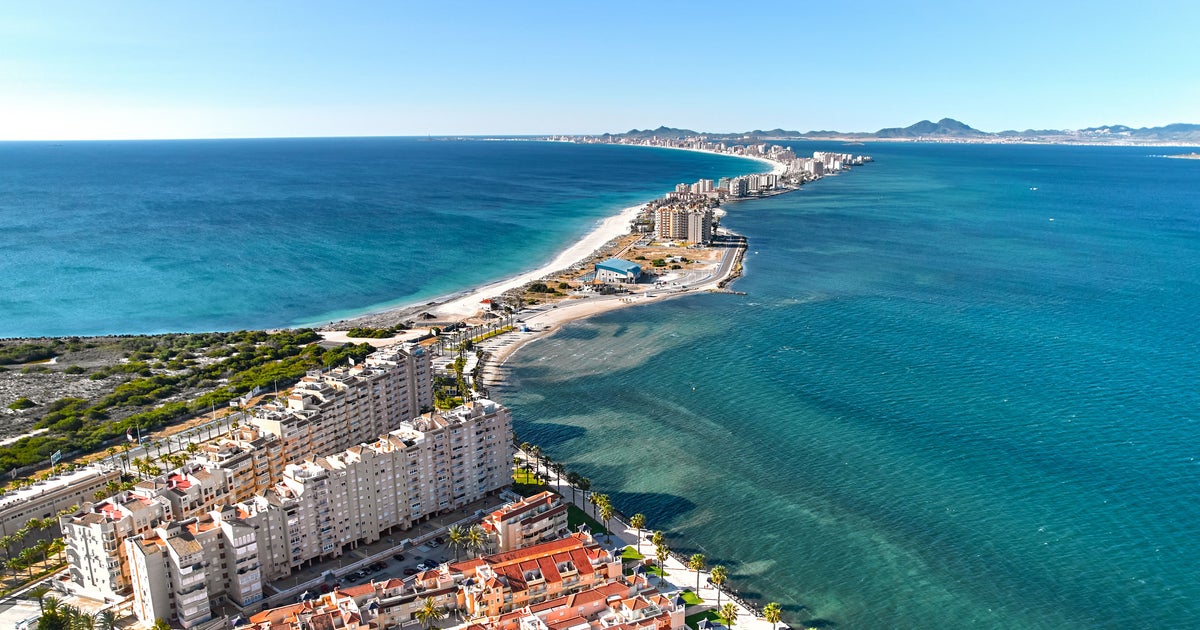
Winter in La Manga is a different place to summer
Here’s what changes day to day when the crowds go and the routine is built around what’s actually open.
In summer, La Manga feels like a busy resort strip. In winter, it can feel like a working coastline with long quiet gaps. It is not just “the same but calmer”. It genuinely feels like a different town.
The first thing you notice is how few people are out. Streets that are packed in August can be almost empty on a weekday in January. The beaches have the same shape, but the human noise drops away. You hear the wind, the odd dog, the distant traffic, and your own footsteps.
The second change is practical. Many places close for part of the off season, or they run reduced hours. That can mean fewer choices for coffee, food, groceries, and basic errands depending on where you are staying on the strip. Some days it feels simple. Other days it feels oddly restrictive for somewhere that looks like it should be buzzing.
Daily life flips from “what do I fancy?” to “what’s open right now?”. You plan a bit more. If you find somewhere open that suits you, you remember it and you go back. If you like variety and spontaneity, that can get old.
My practical advice is to treat winter here like a quieter base, not a full menu. Have a short list of reliable options within walking distance of your accommodation, and be ready to travel a little if you need a specific service. If you are working while you are here, that small bit of structure can actually help. If you want a holiday that revolves around browsing and choosing on the day, La Manga in winter can feel thin.
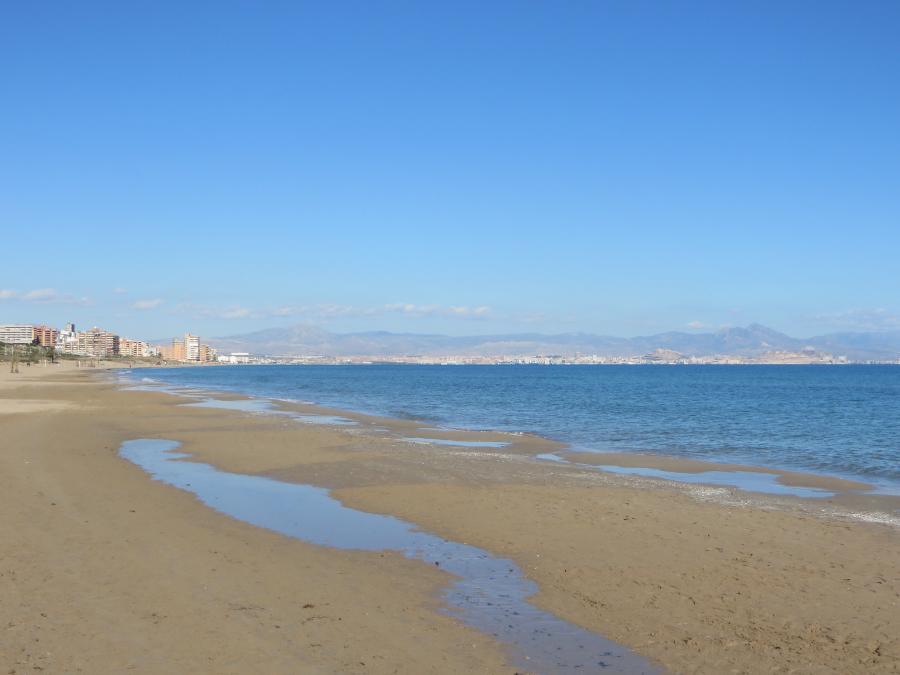
Morning: a walk with space, wind, and long quiet stretches
What a winter morning walk is like here, with very few people around and the soundscape turned right down
A typical winter morning for me starts with a simple choice. Do I walk along the main strip, where you can see both sides as you go, or do I stick to one shoreline and let the other side disappear behind the buildings? Either works. The point is you can just step out and keep going without needing a plan.
In summer you weave around families, bikes, and people stopping without warning. In winter the pavements and promenades feel wide again. You can walk at your own pace. You can take a call without feeling like you are in the way. Most of the time you will pass people in singles or pairs, spaced out, with long gaps between them.
The quiet is not abstract. You hear your shoes. You hear waves, but not in a dramatic way, more like a steady background. Wind is often the loudest thing. Then there is occasional traffic, usually a car moving quickly through a roundabout, or a van doing deliveries for one of the places that stays open.
Sometimes there is a moment where you realise there are no other voices nearby at all. No music from beach bars. No shouting. No general chatter. If you are used to busy places, that can feel like a relief. If you arrived hoping for a bit of life, it can feel like you are walking through a place that is waiting for people to come back.
The weather changes how it lands. On a bright, crisp morning the space feels clean and practical, like you have been given extra room to think. On a grey or windy day the same stretch can feel exposed, and the empty bits between buildings feel longer. It is still safe and straightforward, but it can feel a little stark.
One small judgement call: if you are the type who gets low when places feel shut, take your walk towards somewhere you know is open for coffee afterwards, even if you do not go in. That small sign of life makes the morning feel more anchored. If you love uninterrupted headspace, go the other way and let the quiet be the point.

Coffee: what it’s like finding somewhere open
In winter you plan coffee around opening hours, not around preference.
In summer you can more or less assume you will find a coffee without thinking about it. In winter I do not assume anything. I check first. Sometimes that is a quick look when I walk past. Sometimes it is a quick message to myself like “if it’s shut, keep walking to the next cluster of buildings”.
The main difference is choice. There are fewer places open, and the ones that are open often keep shorter hours. It changes the feel of the morning. You are not browsing. You are looking for the lights on and someone behind the counter.
Some days it is simple. You have two or three realistic options and one of them works. Other days, especially midweek, it can be thin. You may find that the first place is shut, the second is open but only doing takeaway, and the third is open but you are not in the mood to sit there for an hour. None of that is a disaster, but it does make your routine less automatic.
When you do land somewhere open, the café moment is different to summer. Low chatter. A slower pace. You might hear a spoon against a cup, the coffee machine, a bit of local small talk, then silence again. People do not hang around in big groups. It feels functional. You can sit with a notebook or answer messages without feeling like you are taking up space.
If you rely on cafés for structure, this matters. For some people, a daily coffee out is the marker between home time and work time. In winter here, that marker can move around. If your usual place is shut, you either adapt or you end up back at the rented apartment in La Manga with the same four walls you woke up in.
My practical advice is to treat coffee like an errand, not a reward. Have a couple of back-up options within walking distance, and accept that you might need to go a bit earlier than you would at home. One small judgement call: if you start feeling flat, do not keep “checking and hoping” along the strip. Pick one reliable place you have seen open before and make it your anchor for the week.
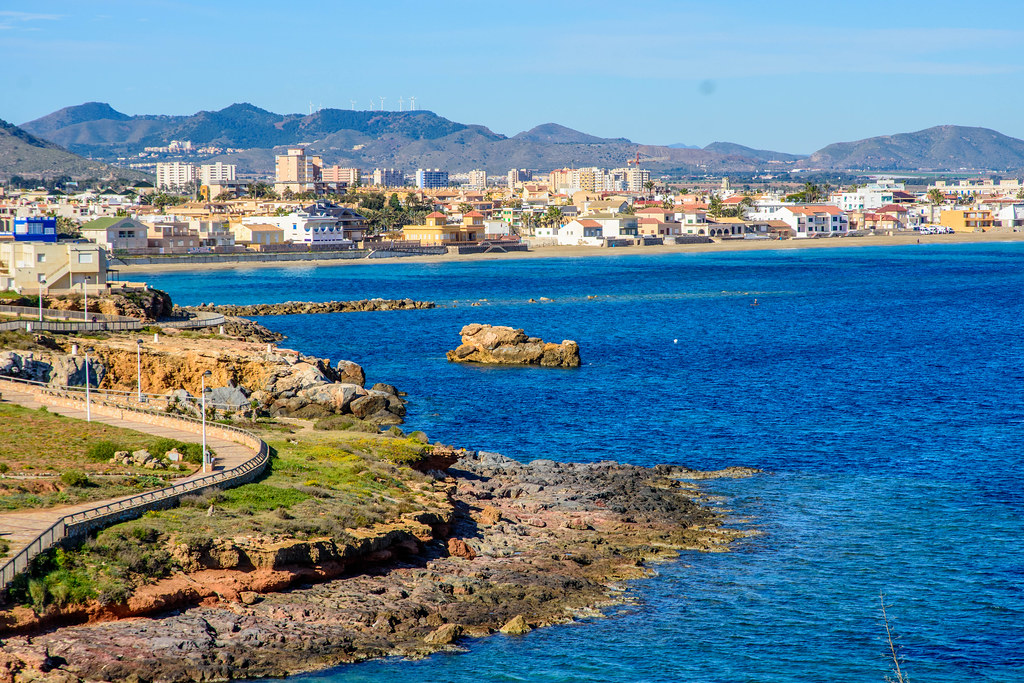
Midday: sea views that can be calming, but also a bit stark
What the view feels like in winter when the strip is quiet and the weather keeps changing
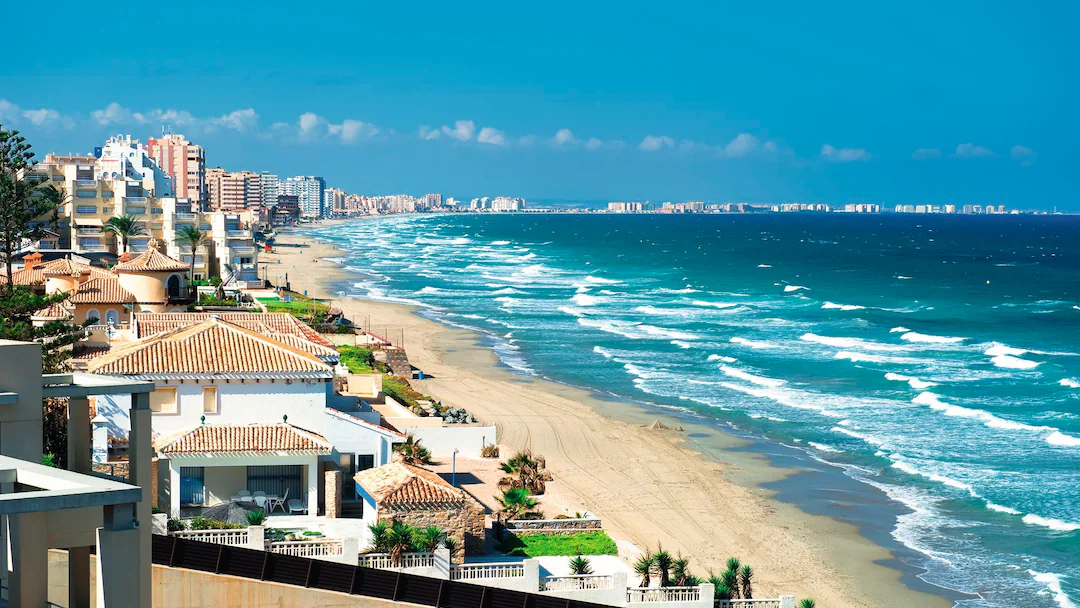
By midday the sea is still the constant backdrop. You see it from the pavement, from the balcony, from the gaps between apartment blocks. In La Manga you are rarely far from water, and in winter it becomes the main thing you notice because there is less competing for your attention.
On bright days the light can be very clear. The line between sky and water looks sharp, and everything feels a bit more defined. It is genuinely nice to look at, but it can sit next to a strange lack of life. You have the view, the sunshine, and then long stretches of closed shutters and quiet terraces where you would expect people at lunchtime.
Other days are flatter. Cooler air. Wind that takes the edge off any idea of sitting outside. And sometimes you get a gloomy day where the sea looks grey and the buildings feel more prominent than the landscape. None of this is unusual. It just changes how the same walk lands.
The emptiness tends to be more noticeable in the middle of the day. Morning quiet can feel intentional. Midday quiet can feel like something is missing, because your brain expects movement, open places, and a bit of background noise. If you are trying to work remotely, that can be either a gift or a problem. Some people focus better when there is nothing pulling at them. Others start to feel unmoored.
A practical tip: plan one midday anchor that gets you out of the rental apartment, even if it is simple. A walk to a viewpoint, a short loop along the promenade, or a quick errand. If the wind is up, pick the side that feels more sheltered and do a shorter loop rather than forcing a long seafront march.
One small judgement call: if you notice the quiet tipping into flatness, do not make your midday plan “see what I find”. Choose a specific place you know you can sit for 20 minutes, even if it is just a bench with a decent view, and treat that as your break. The sea will be there either way, but a bit of structure helps when the day feels too open.
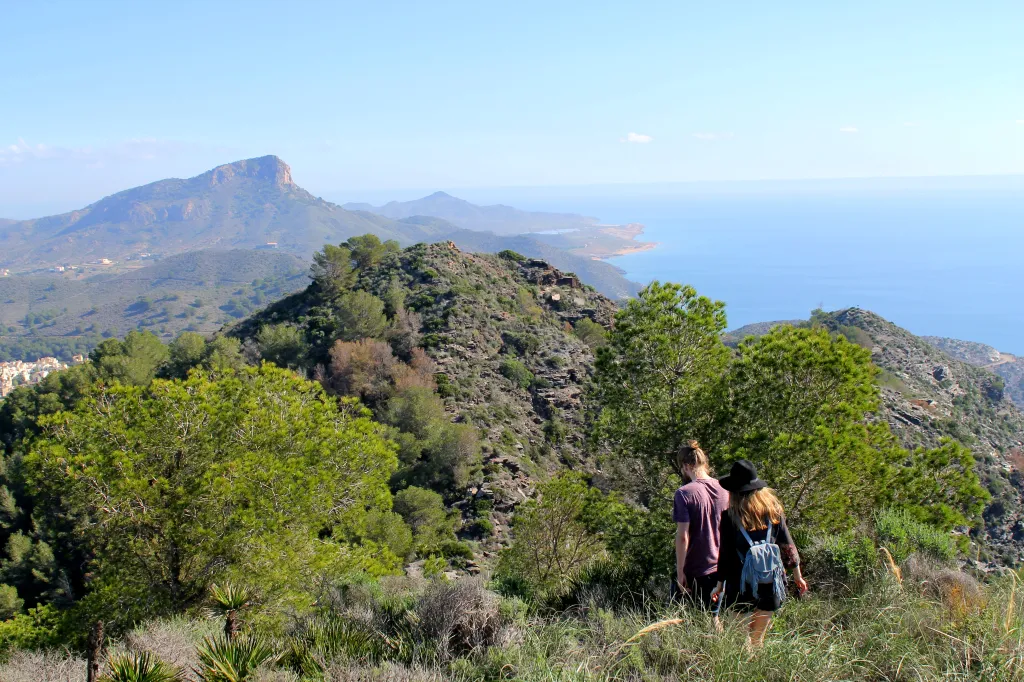
Afternoon reality: what you do when there is less to ‘do’
In winter, the hours fill up with small routines, not spontaneous plans.
Afternoons in La Manga in winter are where you notice the difference from summer most. In July you can drift. Something will be open. Someone will suggest something. In January, you are usually the one creating the shape of the day.
What that looks like in real life is quite plain. You go back out for another walk, because the light changes and it is often the nicest part of the day. You do a few errands. You pick up food and cook properly because eating out is not always the easy default. You read. You work a bit if you are here with a laptop. None of it is bad. It is just quiet, and it asks more of you.
The limit is obvious: there are fewer spontaneous options and much less of a “holiday atmosphere”. You can still have a good afternoon, but it tends to be the kind you plan on purpose. If your idea of a break relies on wandering until you find a lively terrace, winter here can feel flat.
This is where having a car can matter. Not because La Manga is impossible without one, but because it gives you range when the strip feels repetitive. A short drive can turn an empty-feeling afternoon into a normal one, even if all you do is get groceries somewhere bigger or go for a change of scenery. If you do not have a car, a plan matters more. Think in loops you can walk, places you know are open, and one fixed task that gets you out.
If you need constant stimulation, the day can feel long here. The quiet is not automatically restful. It can be, but it can also highlight whatever mood you arrived with. My small judgement call is this: if you notice yourself refreshing maps or pacing the rented apartment waiting for something to happen, stop “checking” and choose one simple activity you can finish. Cook a proper lunch. Do a full loop walk. Read for 30 minutes in one spot. It sounds basic, but it stops the afternoon stretching out in an unhelpful way.
Winter afternoons suit people who are fine with slow, self-directed time. If you like a bit of structure and you can make your own plans, it works. If you want your surroundings to provide energy and entertainment without effort, it often does not.

Evening: quiet streets, early nights, and the social gap
What winter evenings actually feel like when you want food, a bit of company, or just some background noise
Once it gets dark in winter, La Manga changes gear fast. The streets feel quieter, and there is much less ambient noise. You hear doors closing. You hear your own footsteps. On some nights you can hear the sea more clearly than the road, which almost never happens in summer.
That quiet can be a relief if your day has been full of screens, calls, or decisions. It can also feel a bit too empty, especially if you were expecting the easy hum of people outside. The space is real. So is the lack of it being “filled in” by other people.
Practically, evenings are where you notice the seasonal drop the most. Dining is more limited than in summer. Some places close earlier, and some do not open at all midweek. Nightlife is not the default in winter, and if you are used to wandering out and choosing from a row of busy terraces, you may find you need to decide in advance.
My small judgement call is this: if eating out matters to your mood, do not leave it to chance after 8pm. Pick one or two places you know are open, or have a back-up plan like a simple meal in the La manga apartment. It is not about being organised for its own sake. It just stops the evening from turning into a slow walk past shuttered fronts.
The emotional split is quite sharp. Some people feel genuinely rested by the early nights. They eat, they take a short walk, they come back in, and they sleep well. Others start to feel the social gap, the sense that there is nowhere to “plug in” to the place once the sun goes down.
Couples often find winter evenings easier. You already have company, so the quiet reads as calm rather than absence. A simple routine works well here: a walk, a coffee or drink somewhere you know will be open, then back for a home dinner or an early meal out.
Solo travellers can have a great stay, but evenings are the test. If you like your own space, you might love the lack of pressure to be “out”. If you rely on casual chats, bar energy, or meeting people without trying, winter La Manga can feel isolating. It is not that nothing exists. It is that you often have to go looking for it, and you might not find it on a random Tuesday.
Families usually fall somewhere in the middle. Early nights can suit children, and quieter streets make evening walks simpler. But if you are hoping to keep kids entertained with busy promenades, lights, and that summer buzz, winter can feel flat. You will likely do better with a plan that finishes the day on purpose, rather than hoping the evening provides the entertainment.
The emotional side: peace and isolation are both real here
This is the trade-off in winter La Manga, and it can land well or badly depending on your setup
The quiet is not just “nice”. It changes how your day feels. There is more space in the streets and on the promenades, and fewer demands on your attention. You are not weaving through groups, you are not queueing for coffee, and you are not constantly reacting to noise. For some people, that is exactly what they need to reset.
But the same quiet can read as emptiness. There is less buzz, fewer casual interactions, and fewer small reasons to stay out longer. In summer you can drift along and still feel connected to the place because other people are doing the same. In winter you might walk for forty minutes and barely exchange a nod.
Neither reaction is wrong. If you feel calm here, that is real. If you feel flat or lonely, that is also real. It is not about being “good at travelling”. It is about what you were hoping the environment would provide.
A few things tend to push it one way or the other. Travelling alone versus with someone matters most. If you have your own company, the quiet often feels like relief. If you are solo and you rely on background social contact, winter can feel repetitive fast because the days can start to look similar.
Weather plays a bigger role than people expect. A bright, still day makes the sea views feel open and generous, and a morning walk can set you up well. If it is windy or grey, the same walk can feel like you are wandering through a place that has switched itself off. You notice the shutters more.
Length of stay matters too. A long weekend can feel clean and restorative. Two weeks can start to feel like the same loop unless you build in variety. My small judgement call: if you are booking more than a few days in winter, bring a bit of structure with you. One planned lunch out, one day trip off the strip, or even a fixed morning routine stops the quiet tipping into a dull, repetitive rhythm.
Personal temperament is the final piece. Some people genuinely enjoy low input days and do not need much external stimulation. Others are energised by movement, choice, and people around them. If you are the second type, winter La Manga can feel like you are always waiting for the place to “start”, and it never quite does.

Who a quiet winter stay in La Manga suits (and who it doesn’t)
Use this as a quick self-check: are you coming for calm and space, or do you need the place to provide energy?
If you arrive expecting winter La Manga to feel like July, you will probably be disappointed. Not because you picked the wrong apartment, but because the whole strip runs on a different setting out of season. Fewer places are open. Streets are quieter. Even the daylight rhythm feels slower.
If, on the other hand, you want a simple day you can repeat without friction, it can work well. You wake up, you walk, you drink coffee somewhere that is actually open, and you look at the water. That is the day. The question is whether that sounds like relief or like a lack.
A quiet winter stay here tends to suit:
- Walkers who are happy doing the same routes in different light.
- Readers who like long, quiet afternoons without distractions.
- Remote workers who like calm and can self-start without a busy atmosphere around them.
- People who dislike crowds and do not want to queue for basics.
It may not suit you if you need your destination to bring the evening to life for you. In winter, that social layer is thinner and less predictable.
It can be a poor fit for:
- Anyone wanting lively evenings without planning.
- People who want lots of open choices on the doorstep every day.
- Those who travel for constant atmosphere and background buzz.
- Anyone looking for a social scene where you meet people without trying.
My small judgement call: if you are on the fence, decide based on what you do after 6pm. If your best evenings are a walk, a simple meal, and an early night, you will cope fine. If you want variety, movement, and easy social contact, winter here can feel like you are always making your own fun.
Expectations matter more than the destination. Winter La Manga is not summer La Manga. This kind of stay is about quiet routines, not entertainment.
FAQ

Words from the locals
Living here and dealing directly with guests, we often see the same pattern in winter: people arrive expecting quiet, then get thrown by how empty the strip can feel once the novelty wears off. One concrete thing that helps is checking opening times before you arrive and again on the day, because what is open can change week to week in the off season.
If you want a slow routine, long sea views, and you are comfortable making your own day, a quiet winter stay can feel genuinely restful. If you need easy social contact, a bit of background buzz, or you do not do well with long quiet evenings, the same silence can tip into isolation, and La Manga in winter is not a kind place to test that.
You might like these too
These sit in the same category as the one you are reading. They follow the same thread and offer a bit more depth. Have a look if you want to go further.